
Hardware and Networking Training
Course Training With Interview Preparation Program (IPP)*
Step into the dynamic world of IT infrastructure with our comprehensive Hardware and Networking Training Program. Designed to meet the growing demand for skilled professionals, this course provides in-depth knowledge of computer hardware, networking concepts, and modern infrastructure technologies used across industries.
Our industry-oriented curriculum covers key technologies such as CCNA, VMware, and IoT, helping students develop the practical skills required to manage and maintain network systems effectively. With guidance from experienced trainers and hands-on learning, participants gain real-world exposure to essential networking tools and practices.
As part of the program, students also benefit from our Interview Preparation Program (IPP*), which includes technical interview guidance, career mentoring, and placement support. Join this training to build a strong foundation in hardware and networking and open the door to rewarding opportunities in the IT infrastructure domain. 🚀
Our Statistics

Top-NotchFaculty
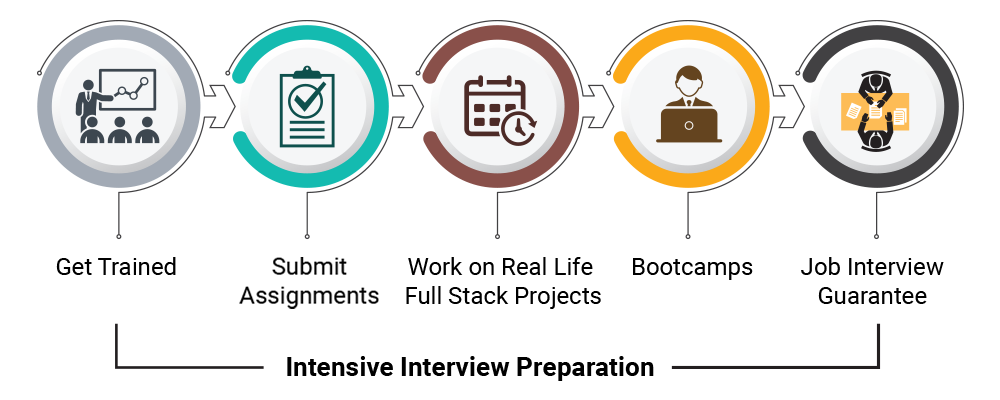
Trainers at Blueballinstitute are passionate about training, and carry 12+ years of industry experience.

Assignments and Coding Challenges
Sharpen your skills by engaging in coding contests that involve collaborating with your peers.

Guaranteed Job Interviews
Your placement preparation starts from Day 1 and prepares you for guaranteed job interviews across our 2000+ partner companies until you receive your first job offer.

Real-life Projects and Bootcamps
Learners will work on real-life scenarios from various domains to get application knowledge.
Objectives of Learning Hardware and Networking Course
- At the end of our Hardware and Networking Course in Chennai, you will have acquired important skills in computer networks, network administration, computer and network security, operating systems, and project management. The notable learning outcomes are:
- Examine complicated computer problems and use the concepts of computing and other related fields to find answers.
- Within the framework of the hardware and networking course’s discipline, design, construct, and assess a computing-based solution to satisfy a specific set of computing needs.
- Participate in team activities that are appropriate for the program’s discipline and lead or participate in the team effectively.
- Acknowledge your professional obligations and base your computing decisions on moral and legal standards.
Learning Outcomes of
- Demonstrate Proficiency in Hardware Components : Students will be able to identify, describe, and differentiate between various hardware components of computers and networking devices, including CPUs, memory, storage devices, routers, switches, and cables.
- Understand Networking Concepts and Protocols : Students will grasp fundamental networking concepts such as TCP/IP, OSI model, subnetting, routing, and switching. They will be able to explain how data flows across networks and understand the function and significance of various networking protocols.
- Configure and Manage Operating Systems : Students will learn how to install, configure, and manage different operating systems, including Windows, Linux, and macOS. They will be able to perform basic system administration tasks such as user management, file system management, and software installation.
- Implement Network Security Measures : Students will acquire knowledge of network security threats, vulnerabilities, and best practices for securing networks and data. They will be able to configure and manage firewalls, implement encryption techniques, and deploy intrusion detection/prevention systems to protect network infrastructure.
- Troubleshoot Hardware and Network Issues : Students will develop skills in diagnosing and resolving hardware-related problems, including identifying faulty components, troubleshooting hardware failures, and performing hardware upgrades and repairs. They will also be able to troubleshoot common network issues and perform network diagnostics.
- Design and Implement Network Infrastructures : Students will be able to design and implement network infrastructures based on organizational requirements, considering factors such as scalability, reliability, and security. They will understand the principles of network design, including network topology, addressing schemes, and subnetting.
- Utilize Virtualization and Cloud Technologies : Students will gain knowledge of virtualization technologies such as VMware and Hyper-V, as well as cloud computing platforms like AWS, Azure, and Google Cloud. They will learn how to deploy, manage, and secure virtualized and cloud-based infrastructure.
- Communicate Effectively in a Technical Environment : Students will develop effective communication skills for collaborating with colleagues, documenting technical procedures, and explaining complex technical concepts to non-technical stakeholders. They will be able to articulate their ideas clearly and professionally in both oral and written formats.
- Apply Industry Best Practices and Standards : Students will understand and adhere to industry best practices and standards related to hardware and networking, including compliance with regulatory requirements, adherence to security policies, and following established procedures for hardware and network management.
- Prepare for Industry Certifications : Students will be prepared to pursue industry-standard certifications such as CompTIA A+, Network+, Security+, Cisco CCNA, and Microsoft MCSA. They will have the knowledge and skills necessary to pass certification exams and validate their expertise in hardware and networking.
Learning Path
Our Alumni's are working at
“Unlocking Opportunities: Collaborating with Industry Leaders for Placements”


















Hardware and Networking Training
Course Training With Interview Preparation Program (IPP)*
Step into the dynamic world of IT infrastructure with our comprehensive Hardware and Networking Training Program. Designed to meet the growing demand for skilled professionals, this course provides in-depth knowledge of computer hardware, networking concepts, and modern infrastructure technologies used across industries.
Our industry-oriented curriculum covers key technologies such as CCNA, VMware, and IoT, helping students develop the practical skills required to manage and maintain network systems effectively. With guidance from experienced trainers and hands-on learning, participants gain real-world exposure to essential networking tools and practices.
As part of the program, students also benefit from our Interview Preparation Program (IPP*), which includes technical interview guidance, career mentoring, and placement support. Join this training to build a strong foundation in hardware and networking and open the door to rewarding opportunities in the IT infrastructure domain. 🚀
Our Statistics
Top-NotchFaculty
Trainers at Blueballinstitute are passionate about training, and carry 12+ years of industry experience.
Assignments and Coding Challenges
Sharpen your skills by engaging in coding contests that involve collaborating with your peers.
Guaranteed Job Interviews
Your placement preparation starts from Day 1 and prepares you for guaranteed job interviews across our 2000+ partner companies until you receive your first job offer.
Real-life Projects and Bootcamps
Learners will work on real-life scenarios from various domains to get application knowledge.
Objectives of Learning Hardware and Networking Course
- At the end of our Hardware and Networking Course in Chennai, you will have acquired important skills in computer networks, network administration, computer and network security, operating systems, and project management. The notable learning outcomes are:
- Examine complicated computer problems and use the concepts of computing and other related fields to find answers.
- Within the framework of the hardware and networking course’s discipline, design, construct, and assess a computing-based solution to satisfy a specific set of computing needs.
- Participate in team activities that are appropriate for the program’s discipline and lead or participate in the team effectively.
- Acknowledge your professional obligations and base your computing decisions on moral and legal standards.
Learning Outcomes of
- Demonstrate Proficiency in Hardware Components : Students will be able to identify, describe, and differentiate between various hardware components of computers and networking devices, including CPUs, memory, storage devices, routers, switches, and cables.
- Understand Networking Concepts and Protocols : Students will grasp fundamental networking concepts such as TCP/IP, OSI model, subnetting, routing, and switching. They will be able to explain how data flows across networks and understand the function and significance of various networking protocols.
- Configure and Manage Operating Systems : Students will learn how to install, configure, and manage different operating systems, including Windows, Linux, and macOS. They will be able to perform basic system administration tasks such as user management, file system management, and software installation.
- Implement Network Security Measures : Students will acquire knowledge of network security threats, vulnerabilities, and best practices for securing networks and data. They will be able to configure and manage firewalls, implement encryption techniques, and deploy intrusion detection/prevention systems to protect network infrastructure.
- Troubleshoot Hardware and Network Issues : Students will develop skills in diagnosing and resolving hardware-related problems, including identifying faulty components, troubleshooting hardware failures, and performing hardware upgrades and repairs. They will also be able to troubleshoot common network issues and perform network diagnostics.
- Design and Implement Network Infrastructures : Students will be able to design and implement network infrastructures based on organizational requirements, considering factors such as scalability, reliability, and security. They will understand the principles of network design, including network topology, addressing schemes, and subnetting.
- Utilize Virtualization and Cloud Technologies : Students will gain knowledge of virtualization technologies such as VMware and Hyper-V, as well as cloud computing platforms like AWS, Azure, and Google Cloud. They will learn how to deploy, manage, and secure virtualized and cloud-based infrastructure.
- Communicate Effectively in a Technical Environment : Students will develop effective communication skills for collaborating with colleagues, documenting technical procedures, and explaining complex technical concepts to non-technical stakeholders. They will be able to articulate their ideas clearly and professionally in both oral and written formats.
- Apply Industry Best Practices and Standards : Students will understand and adhere to industry best practices and standards related to hardware and networking, including compliance with regulatory requirements, adherence to security policies, and following established procedures for hardware and network management.
- Prepare for Industry Certifications : Students will be prepared to pursue industry-standard certifications such as CompTIA A+, Network+, Security+, Cisco CCNA, and Microsoft MCSA. They will have the knowledge and skills necessary to pass certification exams and validate their expertise in hardware and networking.
Learning Path
Our Alumni's are working at
“Unlocking Opportunities: Collaborating with Industry Leaders for Placements”